World Wide Yin Courses
Accredited by Yoga Alliance

Yin Yoga

Origin and Evolution of Yin Yoga

India and China Heritage
01

Prologue – The Quiet Roots

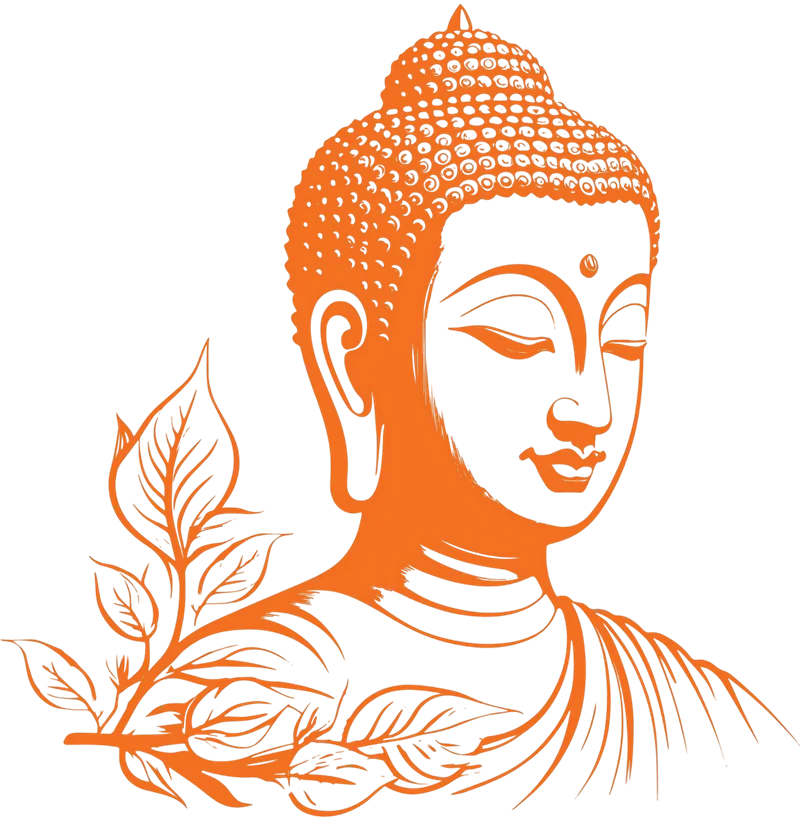
Yin Yoga is ancient in spirit. Before dynamic styles arose, yoga was slow, contemplative, and inward-facing. Asana and pranayama prepared the practitioner for Pratyahara—the bridge from body to consciousness. In this way, Yin Yoga reflects yoga’s original intention: stillness as a doorway to awareness. No one created Yin Yoga; it has always existed within the essence of practice.
India and China Heritage
02

India and China – A Shared Heritage

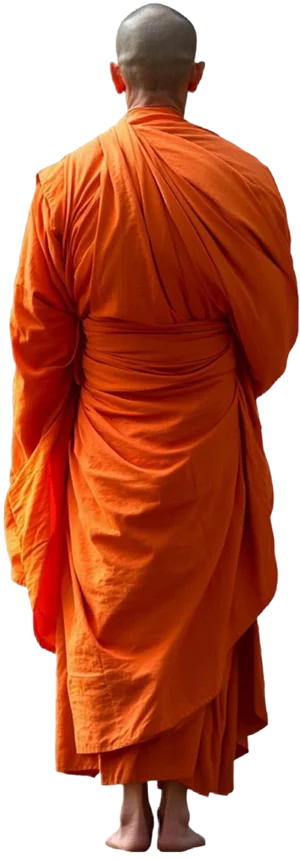
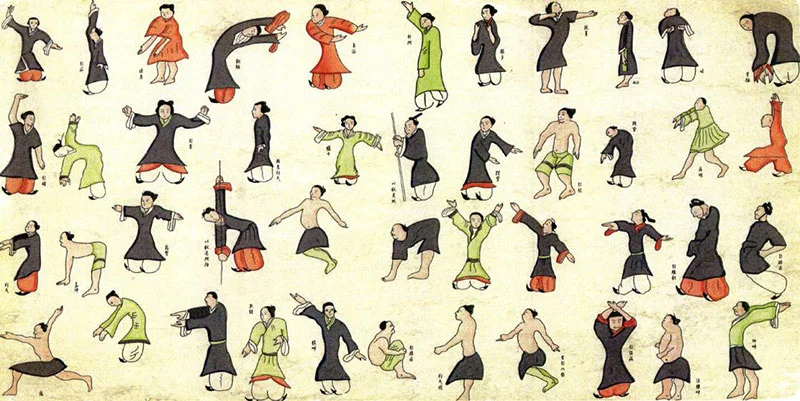
Early exchanges between India and China shaped Yin Yoga’s foundations. Through figures like Buddhabhadra and Bodhidharma, meditation (Dhyana) merged with Taoist wisdom, giving rise to embodied stillness, inner cultivation, and contemplative movement.

Tao Yin and Taoist Yoga
03

Tao Yin and Taoist Yoga

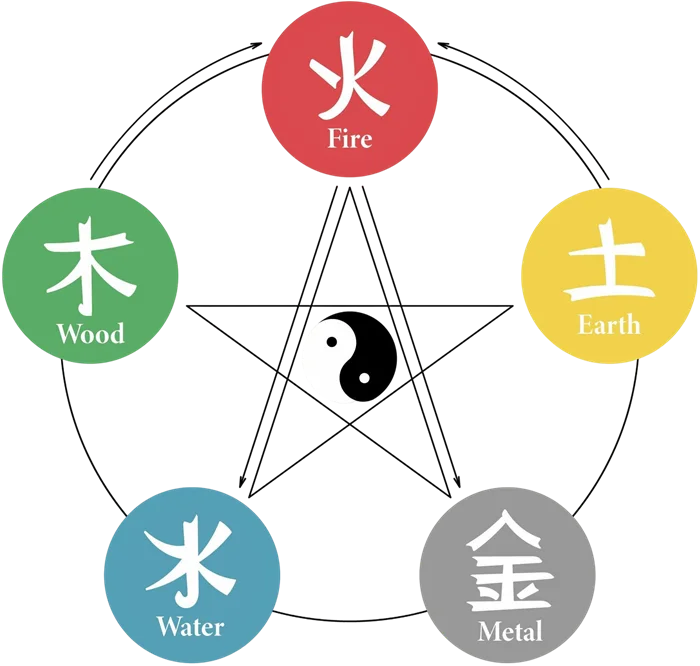
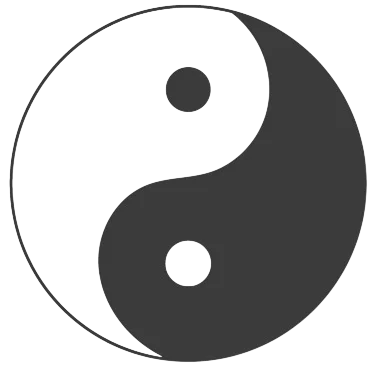
Dao Yin, the art of nourishing life, emphasized longevity, breath, and internal energy. Its Yin (passive) and Yang (active) expressions closely mirror today’s Yin–Yang balance, uniting body, breath, and mind.

Modern Emergence
04

Modern Emergence

Paulie Zink preserved Taoist Yoga through deep, long-held postures. Paul Grilley refined this approach, naming it Yin Yoga and illuminating its effects on fascia and meridians. Sarah Powers helped bring Yin Yoga to the world, integrating mindfulness, psychology, and Buddhism.

A Living Philosophy
05

A Living Philosophy

Yin Yoga is a universal synthesis—Hindu, Taoist, Buddhist, scientific, and human. Through stillness, it invites surrender, introspection, and balance.

“Truth is one; the wise call it by many names.” — Rig Veda

At Yin Yoga International, we honor this timeless lineage and share its quiet wisdom with the world.

Thank You!

We've received your message and truly appreciate you reaching out to us. Our team will review your inquiry and get back to you within 24-48 hours.